One hundred neighbors.
One hundred days.
One city.
100 Days of Us is a documentary portrait, public art, and oral-history project that listens to a single American city in its own words — one person a day, for one hundred consecutive days.
What is 100 Days of Us?
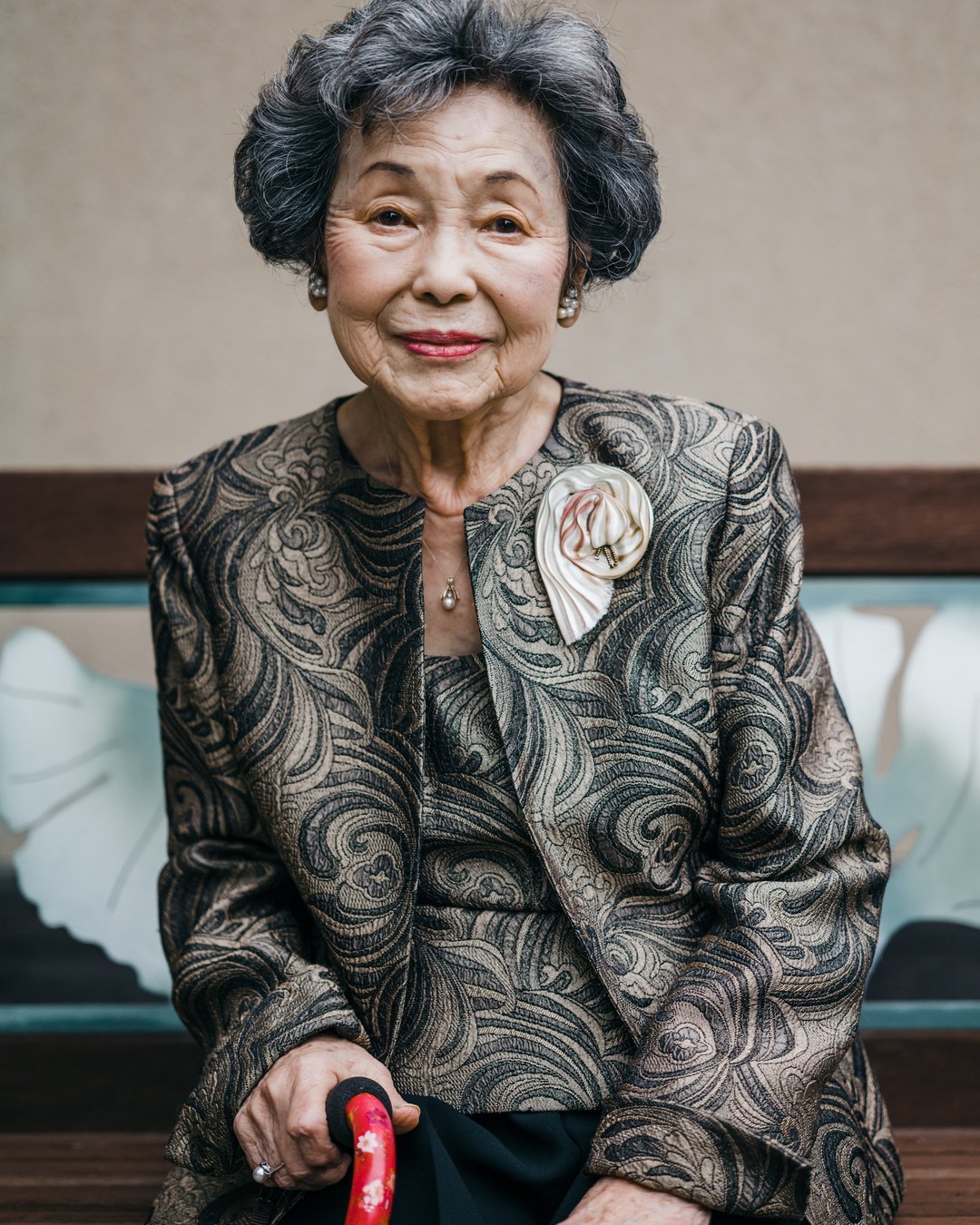
Stories create places. 100 Days of Us celebrates people and their stories, connecting them through digital and physical mediums. Each day for 100 days, a new story is released on the website, a designated local social media channel, and a printed poster with a QR is posted somewhere in the city. The stories cover the range of human experience: overcoming challenges, falling in love, thoughts about the world. Working with Storyville, a local Story Council is created to solicit up to 200 stories and then select the final 100. Storyville will then record interviews with each storyteller, take a portrait of them in a location of their choosing, and then create a written version of their story. The written story will be collaborative with the interviewees, and each portrait will be printed and displayed at different locations throughout the city.
The 100 days culminates in a community event where all 100 portraits will be displayed, selected readers will read their stories, and a hardcover book will be available for purchase.
On the internet.
A dedicated site for the host city — 100daysofyourcity.com — publishes one portrait and one story a day, every morning, for one hundred consecutive days. The story is also published on a local social media channel, day-by-day. Each entry carries a long-form written piece, a full transcript, and edited audio of the interview.
On the walls.
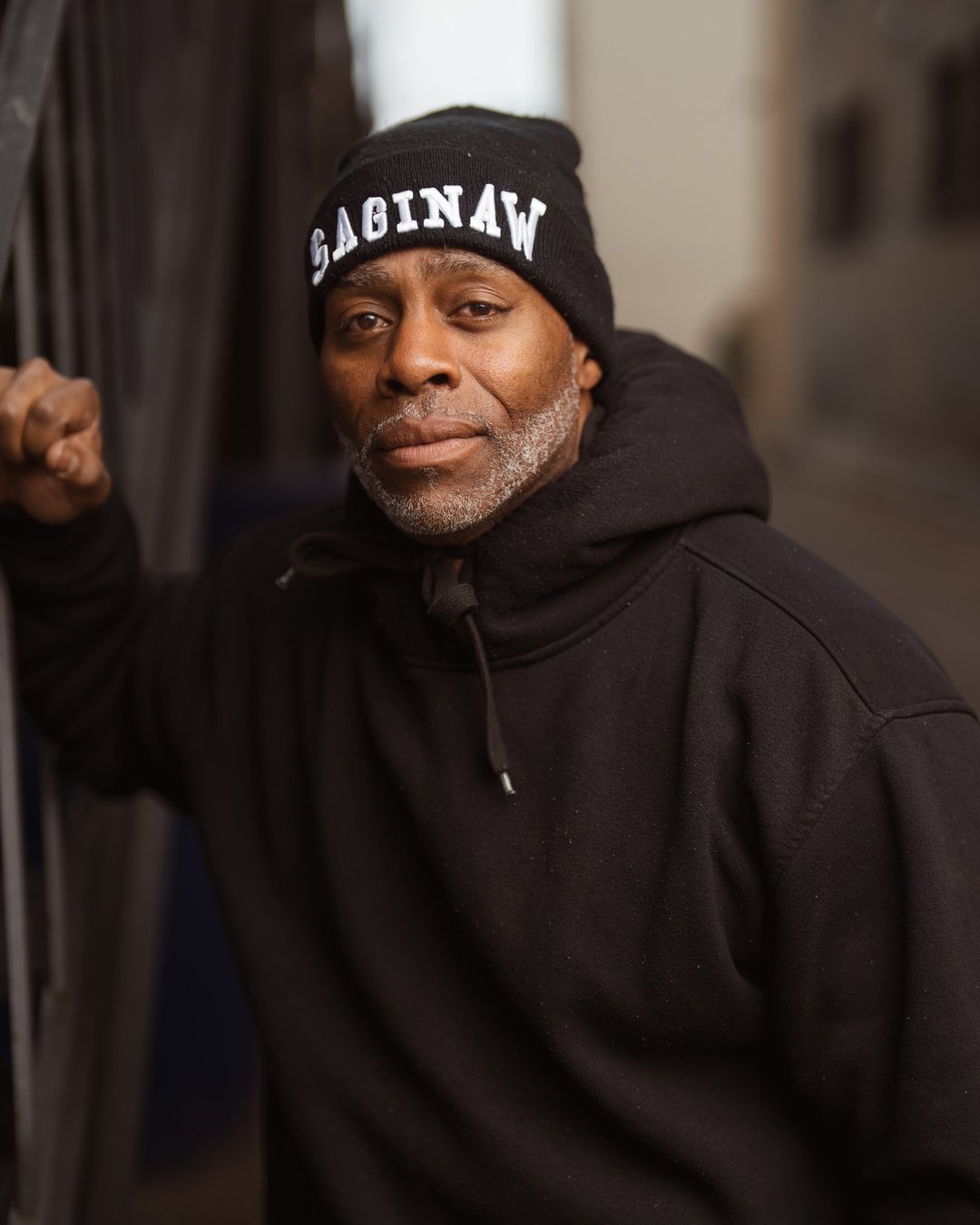
Each portrait is printed at 17x22 inches and posted in a window or on a building. Over the 100 Days, the host city slowly becomes a walkable gallery of its own neighbors. Each portrait includes a QR to the story on the 100 Days of Us Website.
In a book.
After day 100, all one hundred portraits and stories are collected into a linen-bound hardcover, printed, and gifted to every participant and sponsor. A copy also goes to each library in the city, and available for sale both online and at the 100 Days closing event.
What the website looks like.
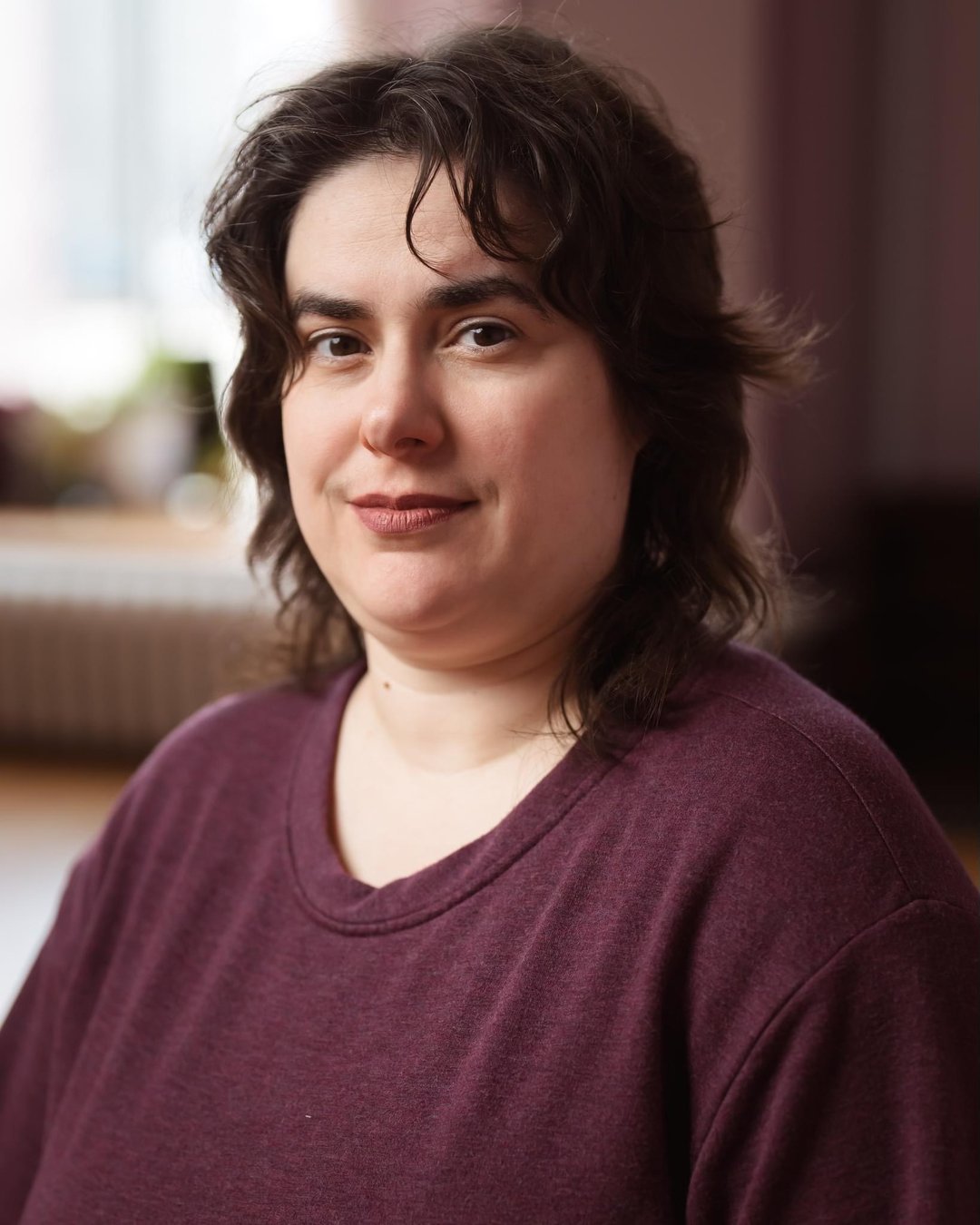
A silent wall of one hundred faces. Each opens into a portrait, a story, an audio interview, and the poster's location in the city.
One hundred neighbors.
One hundred days.
One Fort Wayne.
Every day for one hundred days, a new portrait and story appears here — a butcher, a barber, a welder, a third‑grade teacher, a bus driver, a mother of four. Click any face to hear them tell it themselves.
What a single day looks like on the site.
One portrait. One story. One audio interview. One poster location. Released every morning for 100 consecutive days — then preserved as a permanent archive.

Why we do this.
100 Days of Us is a project with the goal of connecting citizens and building community identity through human faces and human stories. Bridging the divide between digital and physical spaces, 100 Days of Us allows citizens to tell their stories in their own words and in the process, turn people into public art. In a world of increasing disconnection, this project is a reminder that stories connect us to each other and our local communities.
It's human faces
and human stories.
How a city becomes an edition.
Every edition runs on the same six-phase playbook — about thirty-one weeks from the first handshake to the closing night, with the hundred-day public run at its center.
Italic number · accent week
Check marks · deliverables
All dates relative to week 0
Story council formed

30+ community meetings

Releases signed

100 interviews

Poster installed same day

Archive locked

The six rules we keep.
Every edition has its own rhythm and its own neighbors, but six practices are the same in every city. They are the reason participants — and host communities — trust us with the work.
Nothing is published without the sitter's last read.
Every story is edited with the person speaking and read back before it goes live. No one is surprised by their own words.
We make portraits on their ground, not ours.
Every portrait is shot on site, in a place the sitter chose — a kitchen, a shop floor, a porch — never in a studio.
One a day. Never a dump.
We release one portrait per morning for one hundred mornings. Stories in a community unfold over time, so this project does the same.
We print what we post.
Every online portrait goes up as a poster on a wall in the city. The work exists in the physical city, not just on a feed.
The city keeps what the city made.
Transcripts, audio, and high-res portraits are archived with the local library system and licensed for free educational use in perpetuity.
An edition ends.
The project ends with some kind of culminating event: a storytelling night, a block party, wheat pasting the portraits on walls and inviting food trucks.
Partners make it possible.
A hundred days, a hundred neighbors, a handful of partners. Every edition is underwritten by local businesses, foundations, and civic partners who believe their city's story is worth telling. Sponsorship is transparent and tiered — every dollar tied to real, tangible outcomes: printed posters, interview time, a closing exhibition, a permanent archive.
Read theSponsor Packet →
Sponsor a hundred days of your neighbors.
Most brand sponsorships fund an event and disappear with the last guest. 100 Days of Us is the opposite — a sponsor underwrites a permanent, public, name-associated piece of their city's cultural record: online forever, in the local library, and on the walls downtown.
Four tiers, fully transparent — from a single block to the entire edition. The packet covers the breakdown, sample agreements, and the four-month timeline.
Read the sponsor packet →